 |
| http://ow.ly/7XelI |
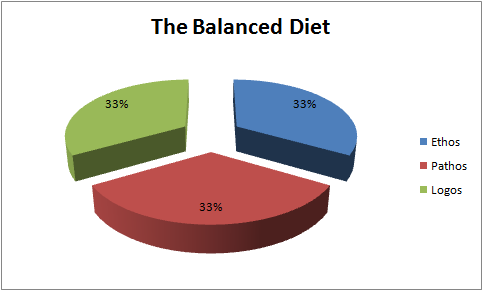
Ethos is a writer's credibility. Think about it in terms of the Big Bad Wolf. If you cry false wolf too many times, no one will believe you any more. It's the same thing if you post "TODAY WAS THE WORST DAY EVER!" every other day on Facebook. No one will believe you, people will quit giving you real sympathy, and just start to brush it off. (Or hide you from their main activity feed - that's what I do!)
Pathos is appealing to the readers' emotions. Make your Facebook friends laugh - amuse them, tease them, make them smile. Heck, every once in awhile tell them a story that will make them cry (just refer to ethos first). But most importantly, be sensitive to their emotions. Don't bully your Facebook friends (or they won't be your friends for long) or use Facebook (what should be a community of friends) to belittle or attack certain groups.
Logos is using reason. Usually it is attached to persuasion but in relation to Facebook, I'm going to call it common sense. Use the head upon your shoulders and think before you post. How will this post make others feel, what is the point in making it? Will you hurt anyone's feelings? Are you willing to deal with the consequences? If you can accept any repercussions that could come from posting it, go for it! Post it! And smile while you do it. Smiling just makes everything better.
Logos is using reason. Usually it is attached to persuasion but in relation to Facebook, I'm going to call it common sense. Use the head upon your shoulders and think before you post. How will this post make others feel, what is the point in making it? Will you hurt anyone's feelings? Are you willing to deal with the consequences? If you can accept any repercussions that could come from posting it, go for it! Post it! And smile while you do it. Smiling just makes everything better.
(Information found here.)

Thanks for sharing this information in such a clear, concise, and correct way, Kyrstin! I love that you included the image with your explanation. It's clear you understand the importance of the three rhetorical appeals.
ReplyDelete